
Sunset clauses: the one contract clause to read twice
What a sunset clause does in an off-the-plan contract, what a fair sunset period looks like, and three questions to ask before you sign.
The short answer
- What it is
- A date in an off-the-plan contract after which either party can cancel if the build is not finished
- Why it exists
- No build has a guaranteed completion date, so the contract needs an end point
- Who it protects
- Both parties in principle. Which one it favours depends on how it is drafted
- A fair period
- Long enough to cover a realistic build plus delay, and no longer
- The risk to watch
- A developer able to cancel and resell at a higher price
- Before you sign
- Have your solicitor confirm who can cancel, from what date, and what you get back
Ask a room of off-the-plan buyers what their sunset clause says and most will tell you it's the date the project has to be finished by. Close, but the miss matters. A sunset clause is really about one thing: who is allowed to cancel the contract, and when.
We write these clauses into our own contracts, so let me explain them the way I'd want them explained to me.
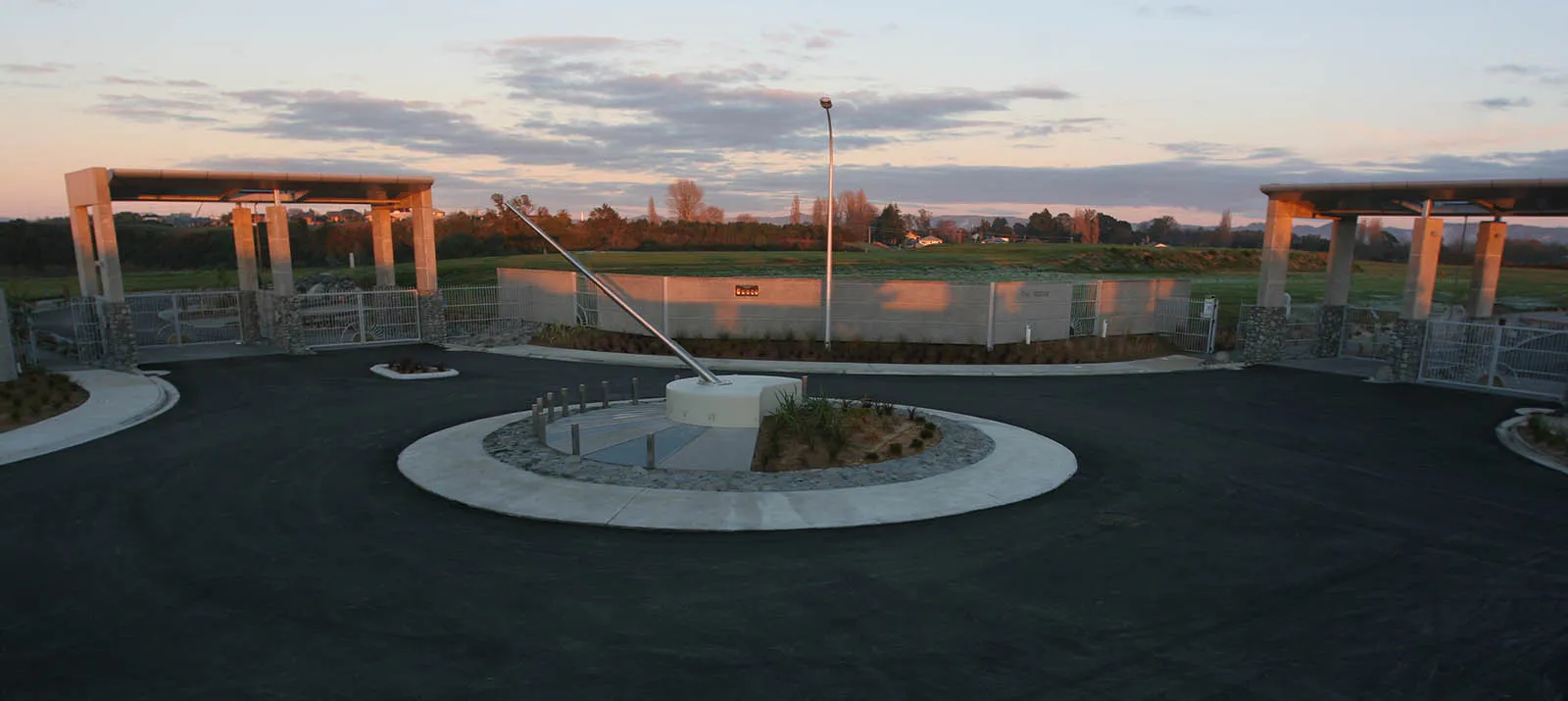
Sundown at Durham Estate. A sunset clause is about time running out, and whose clock it runs on.
What does a sunset clause actually do?
An off-the-plan contract binds you to buy a home that doesn't exist yet. Builds run long for a hundred legitimate reasons, so the contract needs an escape hatch for the scenario where the project drags on indefinitely. That's the sunset clause: a long-stop date tied to a milestone, usually the new titles being issued or code compliance being granted. If the date passes and the milestone hasn't been met, the clause says the contract can be cancelled and the deposit refunded.
So far, so protective. The detail that changes everything is who holds the right to use it.
The question your lawyer should answer in one sentence
Who holds the cancellation right: you, the developer, or both?
A buyer-held right is what the clause is morally for. The project runs years late, your life has moved on, you get out with your deposit. Fair.
A developer-held right is a different creature. In a rising market, a developer holding the cancellation right can let the sunset date pass, cancel your contract, hand back your deposit, and resell the same home at the new, higher price. You carried years of waiting, they captured the upside. In New Zealand nothing in statute stops it, so the contract is the whole game. The protection you get here is the protection you negotiated, not one the law supplies afterwards.
Both-parties rights sit in between, and plenty of fair contracts use them. The test isn't the label, it's whether the developer could profit from their own delay.
What is a fair sunset period?
There's no single right number, but there is a right logic. The period should cover the realistic build programme plus an honest margin for consenting, weather and the things construction genuinely throws up. For a standard apartment or terrace project, you'd expect the long-stop to land comfortably beyond the advertised completion date, but not absurdly beyond it.
Two smells worth noticing. A sunset date only barely past the promised completion suggests the developer wants an easy exit. A sunset date many years out, paired with a developer-held cancellation right, suggests you're being warehoused while they keep their options open.
Three questions to ask before you sign
Who can cancel, and under exactly what conditions. Whether the sunset period is realistic for this build, on this site, with this developer's track record. And what happens to your deposit and any interest on it if cancellation happens.
Your solicitor will read the whole contract, but ask them to answer these three in plain words. If any answer is fuzzy, treat it as a warning.
The honest developer's view
A well-drafted sunset clause protects both sides, and a developer confident in their delivery has no reason to hold a cancellation right they could exploit. When you're comparing projects, treat the sunset clause as a window into how the developer thinks about you. Some contracts read like a partnership. Some read like an option the developer holds over your deposit. The difference is visible on paper, before you've paid a dollar.
The deeper protection, as always, is the developer's history of actually finishing. A sunset clause is what you fall back on when delivery fails. A track record of seven completed, sold-out projects is what makes falling back unnecessary.
This is general information only. Have your own solicitor review any agreement before you sign. For the full picture of an off-the-plan purchase, see our buying off the plans guide. If you'd like to hear when Heartland opens registrations on a new project, register your interest.
Sources
- Settled.govt.nz: Buying off the plans (sunset clause basics for NZ buyers)
Questions people ask about sunset clauses
What is a sunset clause in an off-the-plan contract?+
A sunset clause sets a long-stop date tied to a project milestone, usually new titles issuing or code compliance. If the date passes without the milestone being met, the clause allows the contract to be cancelled and the deposit refunded. Its real substance is who holds the right to cancel, and when.
Can a developer use a sunset clause to cancel my contract and resell at a higher price?+
If the developer holds the cancellation right, yes. In a rising market a developer can let the sunset date pass, cancel, refund your deposit and resell the same home at the new price. Nothing in New Zealand statute prevents it, so the protection you get is the protection your contract negotiates.
What is a fair sunset period for an off-the-plan purchase?+
Long enough to cover the realistic build programme plus an honest margin for consenting, weather and construction surprises, and no longer. A date only barely past the promised completion suggests an easy exit for the developer. A date many years out paired with a developer-held cancellation right suggests you are being warehoused.
Who should hold the cancellation right under a sunset clause?+
A buyer-held right is what the clause is morally for: if the project runs years late, you get out with your deposit. Both-party rights appear in plenty of fair contracts. The test is not the label but whether the developer could profit from their own delay.
What should I ask my solicitor about the sunset clause before signing?+
Three questions: who can cancel and under exactly what conditions, whether the sunset period is realistic for this build on this site with this developer's track record, and what happens to the deposit and any interest earned on it if cancellation happens.
About the author

James is Heartland’s development manager and the second generation of the family in the business, working across feasibility, consenting, consultant engagement and buyer research. He came to development through construction, and holds degrees in property and commerce from the University of Auckland.